Sound Therapy, Music Therapy and History
The timeless healing power of sound.
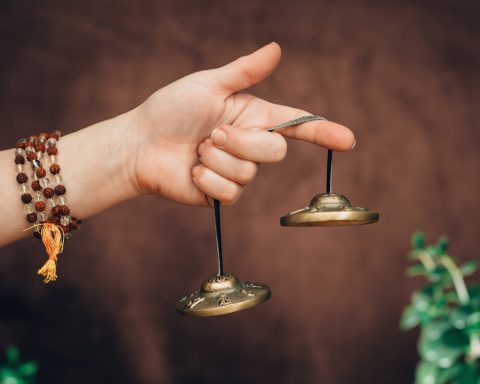
Sound therapy — the use of sound and music to promote healing and well-being — is not a novel concept. Its roots trace back to ancient civilizations, where it was intertwined with spiritual practices and rituals. Over the centuries, its understanding and application have evolved, but its essence remains: sound has the power to heal.
Historical beginnings
In the late 18th century a French physician named Diogel, at the Salpêtrière Hospital in Paris, invited musicians to perform live for his patients and recorded their physiological responses. He observed reductions in blood pressure and heart rate — one of the earliest systematic studies of music's therapeutic effects.
Aristotle wrote in De Anima about the emotive power of the flute and its ability to purify the soul. The ancient Egyptians used music as a healing tool, and the Greeks acknowledged the link between music and healing by dedicating Apollo — their god of both — to both domains.
Shamanistic practices
Shamans worldwide have utilized rhythmic drum beats to induce altered states of consciousness — believed to foster mental and physical well-being. The earliest confirmed records of shamanistic practices date back thirty thousand years. Ancient Vedic philosophers in India employed chants and monosyllabic mantras to soothe the senses and mind — a theme consistent from Jewish Kabbalists to Sufis in the Muslim world.
Pythagoras and musical medicine
Around 500 BCE, Pythagoras and his followers employed specific melodies to address psychological ailments — including depression and anger — introducing a structured approach to sound therapy.
Modern medicine and sound
The integration of sound into modern medicine began roughly two centuries ago with the invention of the stethoscope. René Laennec pioneered its use to analyze sounds produced by the heart and lungs. Today, the stethoscope is indispensable — aiding diagnosis by listening to sounds like the rumbling of intestines or the gurgling of blood in constricted arteries. The relationship between sound and medicine is ancient, yet its resurgence in contemporary practice underscores its timeless nature.