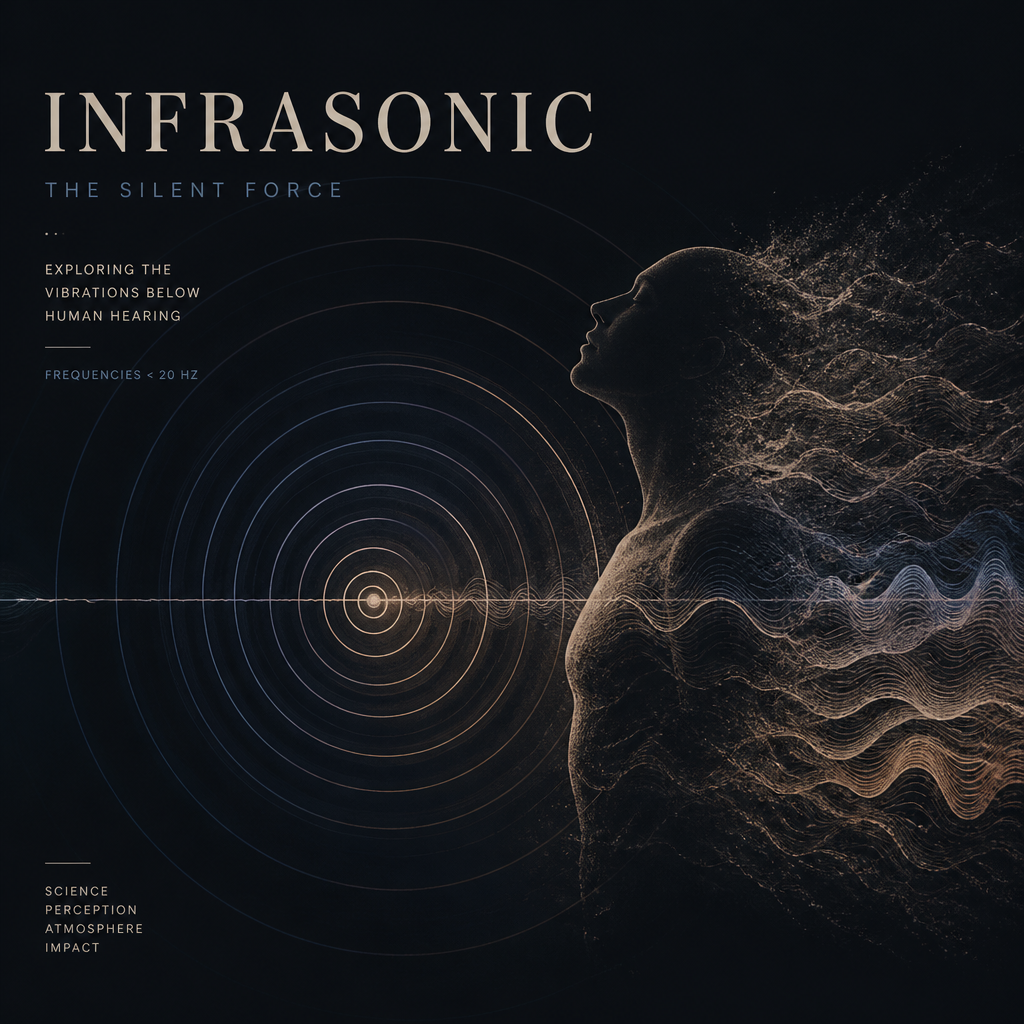
Whole-Body Vibration (WBV)
Mechanisms, benefits and applications of vibration platforms.
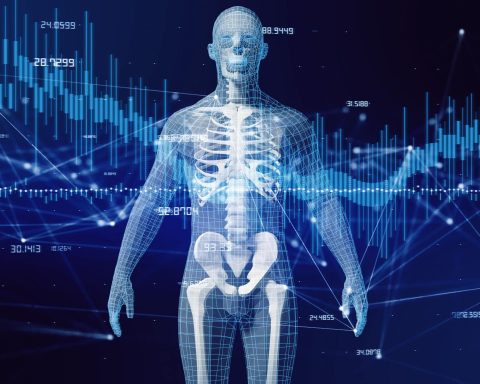
In recent years the health and fitness industry has witnessed a surge in the popularity of vibration platforms. These devices — found in gyms, rehabilitation centers and homes — promise benefits from improved muscle strength to enhanced bone density. This article delves into the world of Whole-Body Vibration (WBV) to uncover its mechanisms, benefits, and potential applications.
History of WBV
The concept of using vibration for therapeutic purposes isn't new. Ancient civilizations, including the Greeks, utilized vibration therapy for healing. In the 1960s, Russian scientists began using vibration exercises to enhance the strength and performance of their athletes — marking the beginning of modern WBV research and application.
Mechanisms of WBV
Whole-body vibration involves standing, sitting or lying on a machine with a vibrating platform. When the machine vibrates, it transmits energy to the body, forcing muscles to contract and relax many times per second.
- 01Frequency — measured in Hz, the number of complete up-and-down cycles per second. Most WBV devices offer a range from a few Hz to 50Hz.
- 02Amplitude — measured in mm, the distance the platform moves from resting position. Amplitudes range from micrometers to several millimeters.
- 03Direction — some machines vibrate purely vertically, others offer complex multi-directional vibration.
Benefits of WBV
Muscle strength and performance: rapid contraction and relaxation during WBV can lead to increased muscle strength. Athletes report enhanced performance after incorporating WBV into training.
Bone density: WBV has shown promise in increasing bone mineral density, especially in postmenopausal women at risk of osteoporosis.
Improved circulation, better flexibility and balance, potential support for weight management, and value in rehabilitation are all reported benefits.
Considerations and precautions
WBV isn't a one-size-fits-all solution. Individuals with severe heart disease, recent surgeries, or those pregnant should consult a healthcare professional before trying WBV. Moderation is key — overuse can lead to muscle strain. Not all machines are equal; choose a high-quality device and seek guidance from a trained professional.
Sound therapy and WBV
Sound therapy and WBV share foundational principles. Both rely on resonance and vibration — sound therapy through instruments like tuning forks, singing bowls and gongs; WBV through mechanical vibrations that resonate with muscles, bones and tissues. Combining auditory vibrations from sound therapy with the physical vibrations from WBV may amplify the therapeutic effects of both.
For sound therapists, understanding WBV enriches practice, offers additional therapeutic tools, and provides a more comprehensive approach to client care.